The ROI Vetting Guide: Finding Micro-Influencers That Actually Sell
![[HERO] The ROI Vetting Guide: Finding Micro-Influencers That Actually Sell](https://cdn.marblism.com/td4XPu_u89f.webp)
Here's the truth nobody tells you about micro-influencer marketing.
Most campaigns fail. Not because micro-influencers don't work. They do. But because brands pick the wrong ones.
Follower counts lie. Engagement rates can be faked. And that "perfect fit" creator you found? Their audience might be bots.
So how do you find micro-influencers that actually move product?
You vet them. Properly. With data.
Let's break it down.
Why Micro-Influencers Win (When You Pick Right)
Quick context.
Micro-influencers (10K–100K followers) typically have 2–3x higher engagement than mega-influencers. Their audiences trust them. They feel like friends, not billboards.
But here's the catch: not all micro-influencers are created equal.
Some have built genuine communities. Others bought followers three years ago and have been coasting ever since.
Your job? Separate the real ones from the noise.
Step 1: Find Competitors' Winning Creators First
Don't start from scratch. Start from what's already working.
Here's the move:
Head to Creator Insights and use the Discovery search bar. Type in a competitor's handle, or a creator you already know is crushing it in your niche.
Now here's where it gets interesting.
Hit the Lookalike Search filter.
Boom. You've got a list of creators with similar audience profiles, content styles, and engagement patterns. Dozens of potential partners you never would've found manually.
Think of it like this: if Creator A is working for your competitor, Creators B through Z (who look just like them) might work even better for you.
And you can run analytics on every single one of them. Right there.
No guessing. No spreadsheets. Just data.
Step 2: Run a Handle Audit (The Real Vetting Starts Here)
Found some promising names? Good.
Now dig deeper.
Go to any handle and run a Handle Audit. This is where you see what's actually happening behind the follower count.
Here's what you're looking for:
Engagement breakdown. Not just the rate, the quality. Are comments real conversations or generic emoji spam? Are people tagging friends? Asking questions?
Growth trends. Steady climb = healthy account. Sudden spikes followed by flatlines = red flag. Could be bought followers. Could be viral luck that didn't stick.
Audience composition. Where are their followers located? What's the age split? Does it match your target customer?
Content consistency. How often do they post? What formats perform best? Reels? Carousels? Stories?
All of this is in the audit. One search. Full picture.

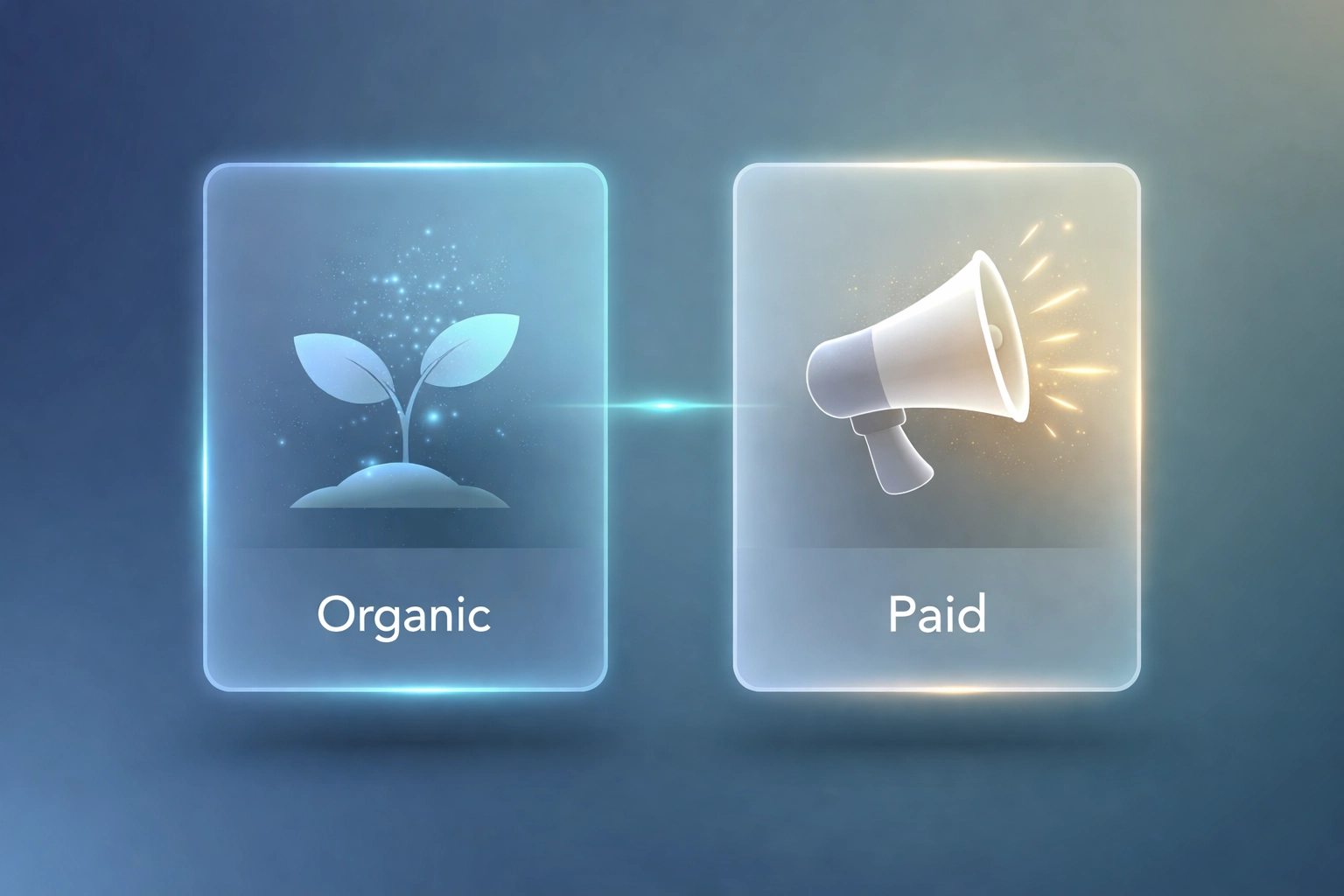
Step 3: Check Organic vs. Ad Performance (This Is the Secret Sauce)
Here's where most brands mess up.
They see a creator with great engagement on their regular posts. They assume that engagement will transfer to branded content.
It doesn't always.
Some creators have audiences that love their personal content but scroll past anything that smells like an ad. Others have built so much trust that their sponsored posts actually outperform their organic ones.
You need to know which type you're dealing with.
With Creator Insights, you can see:
Top-performing organic posts , what's working when they're just being themselves
Top-performing ad posts , what's working when brands are involved
Full post history , so you can spot patterns over time
If their branded content consistently underperforms? Pass.
If their audience engages just as much (or more) with sponsored posts? That's your person.
This single filter saves you from the most expensive mistake in influencer marketing: paying for reach that doesn't convert.
Step 4: Decode Their Strategy with Ask AI
Found a creator who checks all the boxes?
Now steal their playbook. Legally.
Use the Ask AI feature to break down exactly what's making their content work.
What hooks are they using?
What's their posting cadence?
How do they structure their captions?
What CTAs drive the most engagement?
You can literally ask the AI to "copy their strategy" and get a breakdown you can adapt for your own campaigns: or brief to other creators you're working with.
This isn't about copying content. It's about understanding patterns.
The best marketers don't guess. They reverse-engineer what's already winning.
The Vetting Checklist (Save This)
Before you sign anyone, run through this:
Discovery Phase
[ ] Used Lookalike Search to find similar creators
[ ] Checked at least 10–15 potential partners
[ ] Filtered by niche, location, and follower range
Audit Phase
[ ] Ran Handle Audit on top picks
[ ] Verified engagement quality (real comments, not bots)
[ ] Checked growth trends for red flags
[ ] Confirmed audience demographics match your target
Performance Phase
[ ] Compared organic vs. ad post performance
[ ] Reviewed post history for consistency
[ ] Used Ask AI to decode content strategy
Final Check
[ ] Creator responds to their audience in comments
[ ] Content style aligns with your brand
[ ] Previous brand collaborations performed well
If they pass all of this? You've got a winner.
The Pilot Approach (Don't Go All-In Day One)
One more thing.
Even after all this vetting, start small.
Run a pilot campaign with 5–10 creators. Track everything:
Click-through rates
Conversion rates
Cost per acquisition
Actual sales attributed
Use UTM links. Set up tracking. Measure real results.
Then double down on the creators who perform. Cut the ones who don't.
This isn't about finding the "perfect" influencer on day one. It's about building a system that consistently identifies winners over time.
The Bottom Line
Micro-influencer marketing works. But only when you vet properly.
Stop picking creators based on vibes. Stop trusting follower counts. Stop assuming engagement equals sales.
Instead:
Find proven creators using Lookalike Search
Audit every handle before reaching out
Compare organic vs. ad performance to predict ROI
Decode winning strategies with AI
Start with pilots and scale what works
The brands winning at influencer marketing aren't lucky. They're systematic.
And now you've got the system.
Ready to find creators that actually sell? Start your search on Creator Insights.