The Dark Side of Influencer Marketing: Why 67% of Brand Partnerships Fail (And How to Fix It)
![[HERO] The Dark Side of Influencer Marketing: Why 67% of Brand Partnerships Fail (And How to Fix It)](https://cdn.marblism.com/s2_67RNHr2x.webp)
You just spent $50,000 on an influencer campaign.
The creator posted. Your product got 200K impressions. Everyone's celebrating the "reach."
And then... crickets. No sales. No ROI. Just a pretty Instagram post that cost you more than your quarterly ad budget.
Welcome to the dark side of influencer marketing: where 67-73% of brand partnerships fail despite the industry ballooning to over $24 billion.
The problem? Most brands are playing a broken game with the wrong scorecard.
The Vanity Metric Trap
Here's the uncomfortable truth: follower counts mean nothing.
An influencer with 500K followers and 2% engagement is worth less than a creator with 50K followers and 15% engagement. But brands keep falling for the big numbers.
Why? Because vanity metrics look good in pitch decks.
"We partnered with an influencer who has 1M followers!" sounds impressive in a board meeting. Until you realize half those followers are bots, another 30% are inactive accounts, and the remaining 20% couldn't care less about your product.
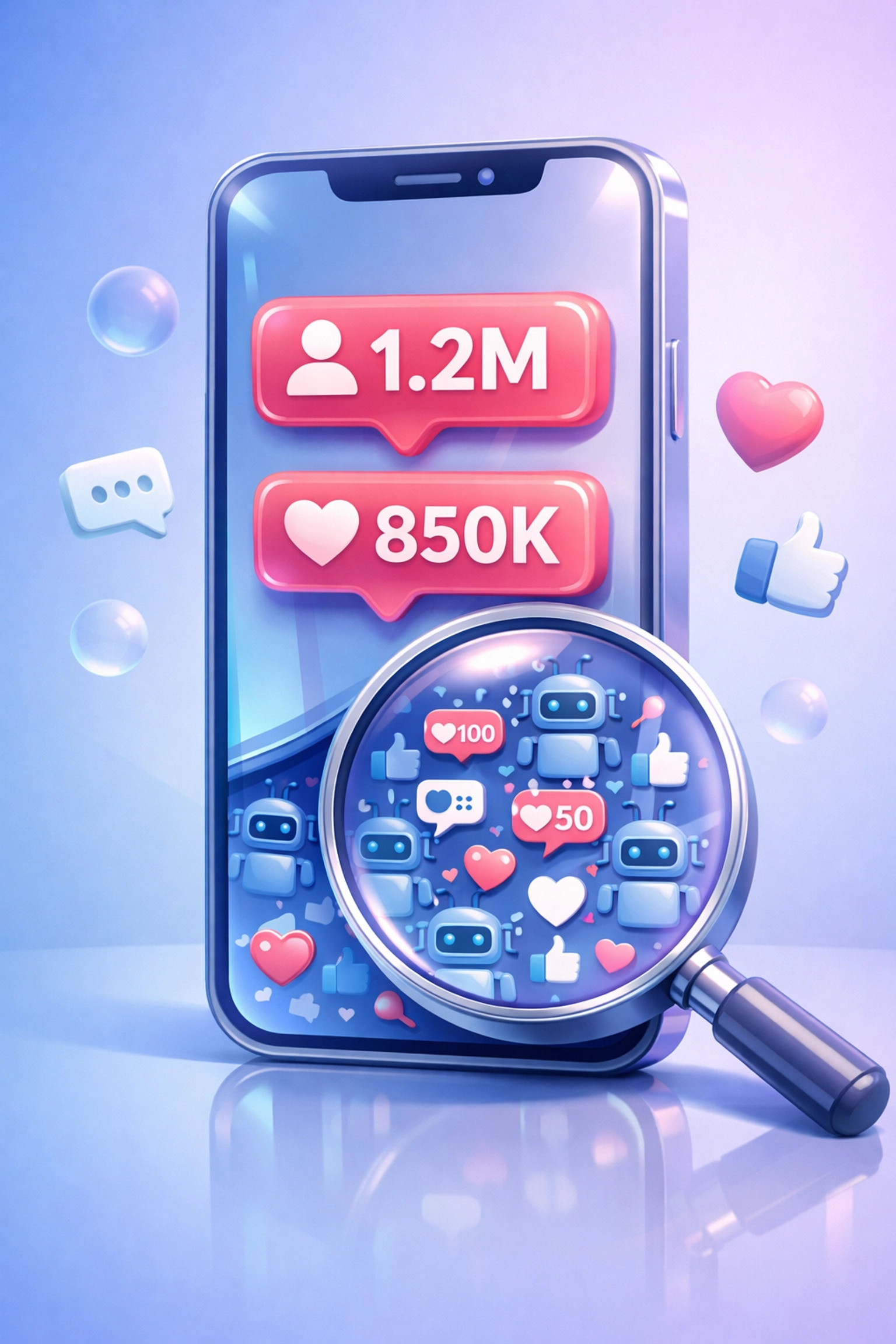
This obsession with surface-level stats creates a cycle where:
Influencers buy fake followers to land deals
Brands pay premium rates for ghost audiences
Campaigns flop because no real humans saw the content
Everyone blames "influencer marketing" instead of the vetting process
The fix? Stop hiring based on follower counts. Start looking at actual performance data: engagement rates, audience demographics, content quality, and historical campaign results.
The Fake Engagement Economy
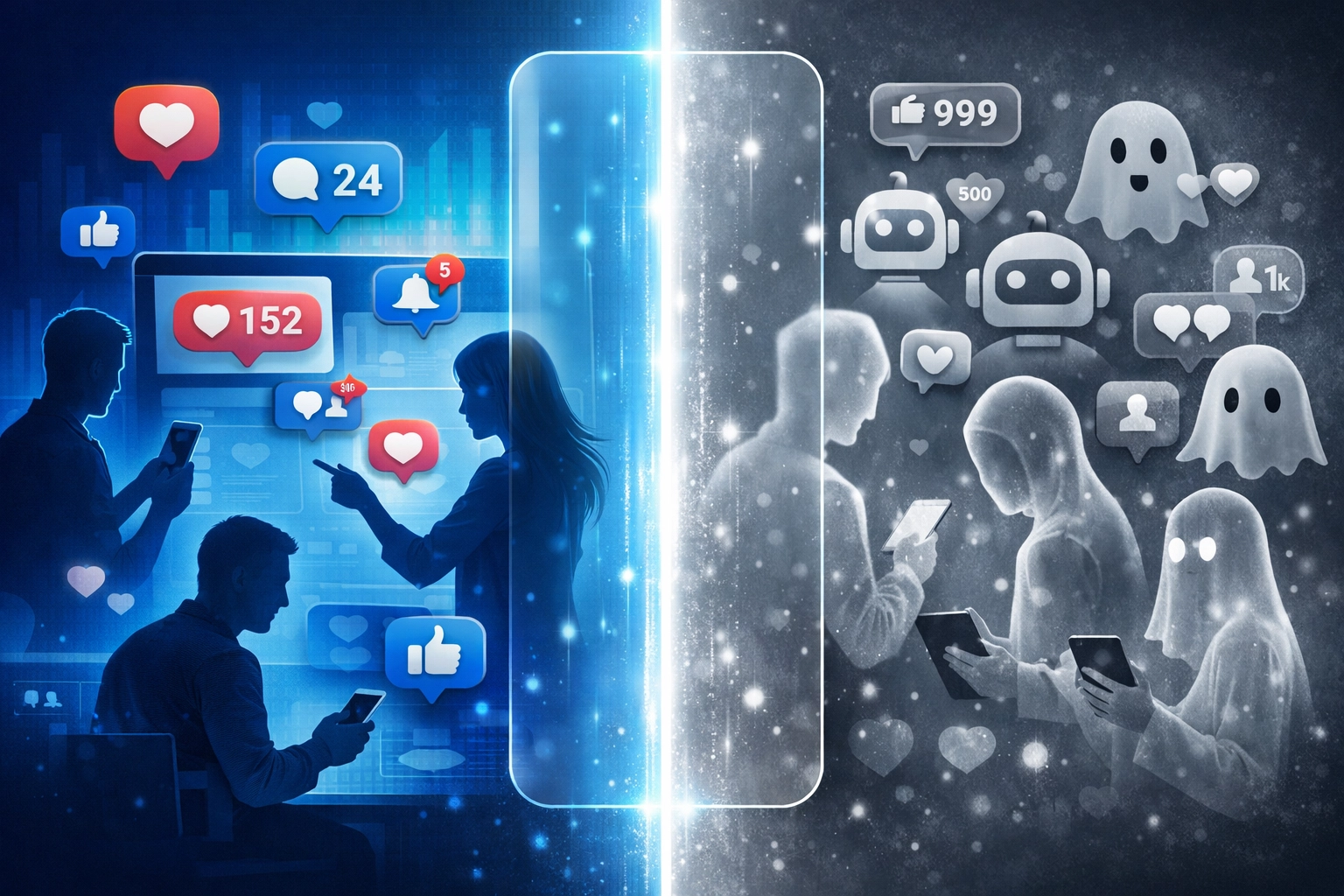
Vanity metrics have an evil twin: fake engagement.
You know those posts with 10K likes but zero comments? That's not organic reach. That's purchased validation.
The fake engagement economy thrives because brands reward the wrong behavior. When you hire influencers based on their like counts, you're basically paying them to buy likes. And the platforms selling engagement packages? They're laughing all the way to the bank.
Here's what fake engagement actually looks like:
Generic comments like "Great post!" or "🔥🔥🔥" from accounts with zero followers
Sudden engagement spikes followed by long periods of silence
High like-to-comment ratios (10K likes, 50 comments = major red flag)
Engagement that doesn't match the creator's usual patterns
The problem extends beyond wasted money. When you partner with creators who fake their stats, you're associating your brand with inauthenticity. And audiences? They can smell it from a mile away.
The Audience Mismatch Disaster
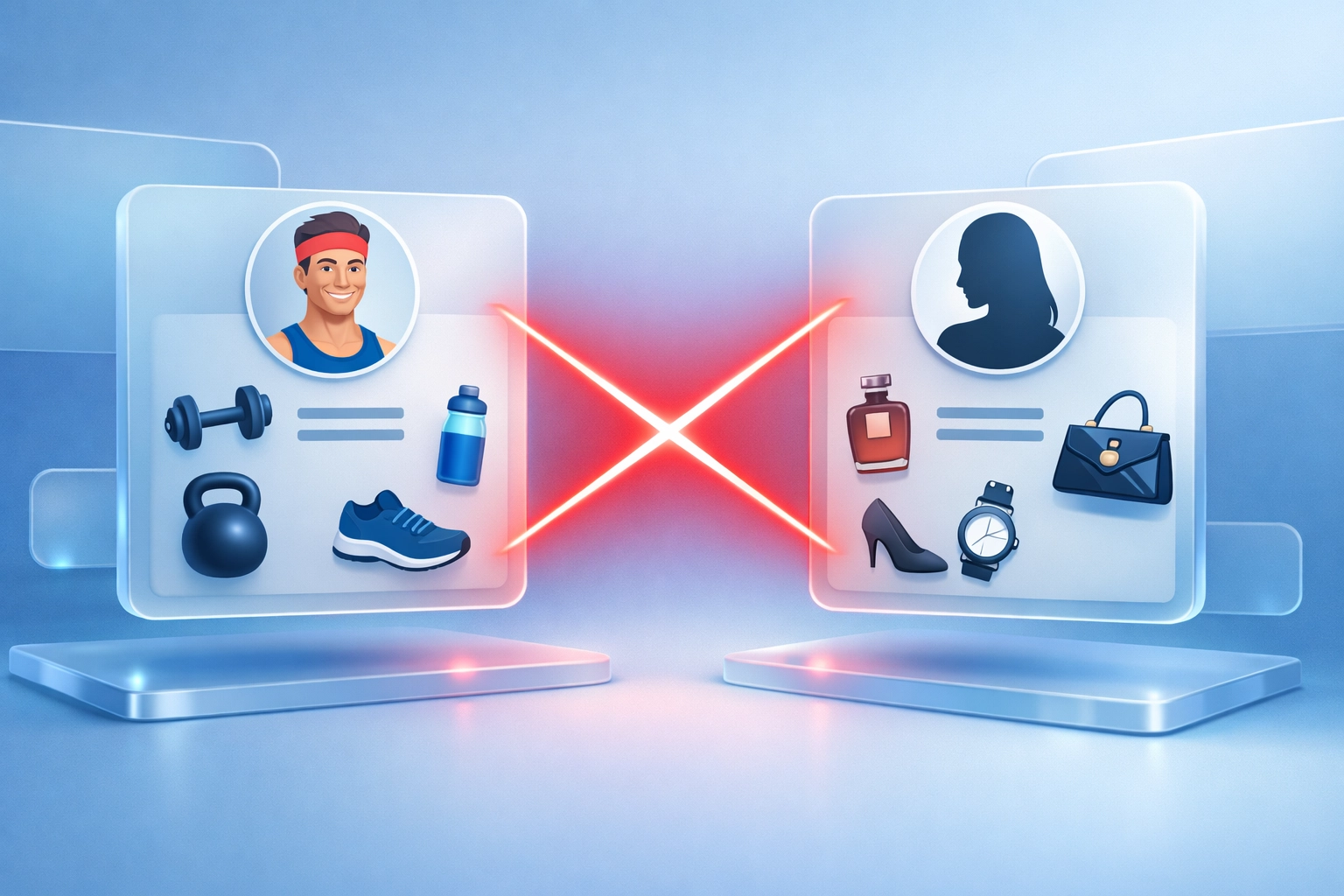
Even when the followers are real and the engagement is genuine, partnerships still fail because of audience misalignment.
A fitness influencer's audience wants workout tips and protein powder recommendations: not luxury watches. A gaming creator's fans care about new releases and streaming gear: not skincare routines.
But brands keep making bizarre partnerships based on "reach" instead of relevance.
The math is simple:
1 million followers who don't care about your product = 0 conversions
50,000 followers who actively need your solution = actual sales
Yet companies keep choosing option one because it sounds more impressive.
Real talk? If the influencer's audience wouldn't naturally buy your product, the partnership is dead before it starts. No amount of creative content can fix a fundamental audience mismatch.
The Attribution Black Hole
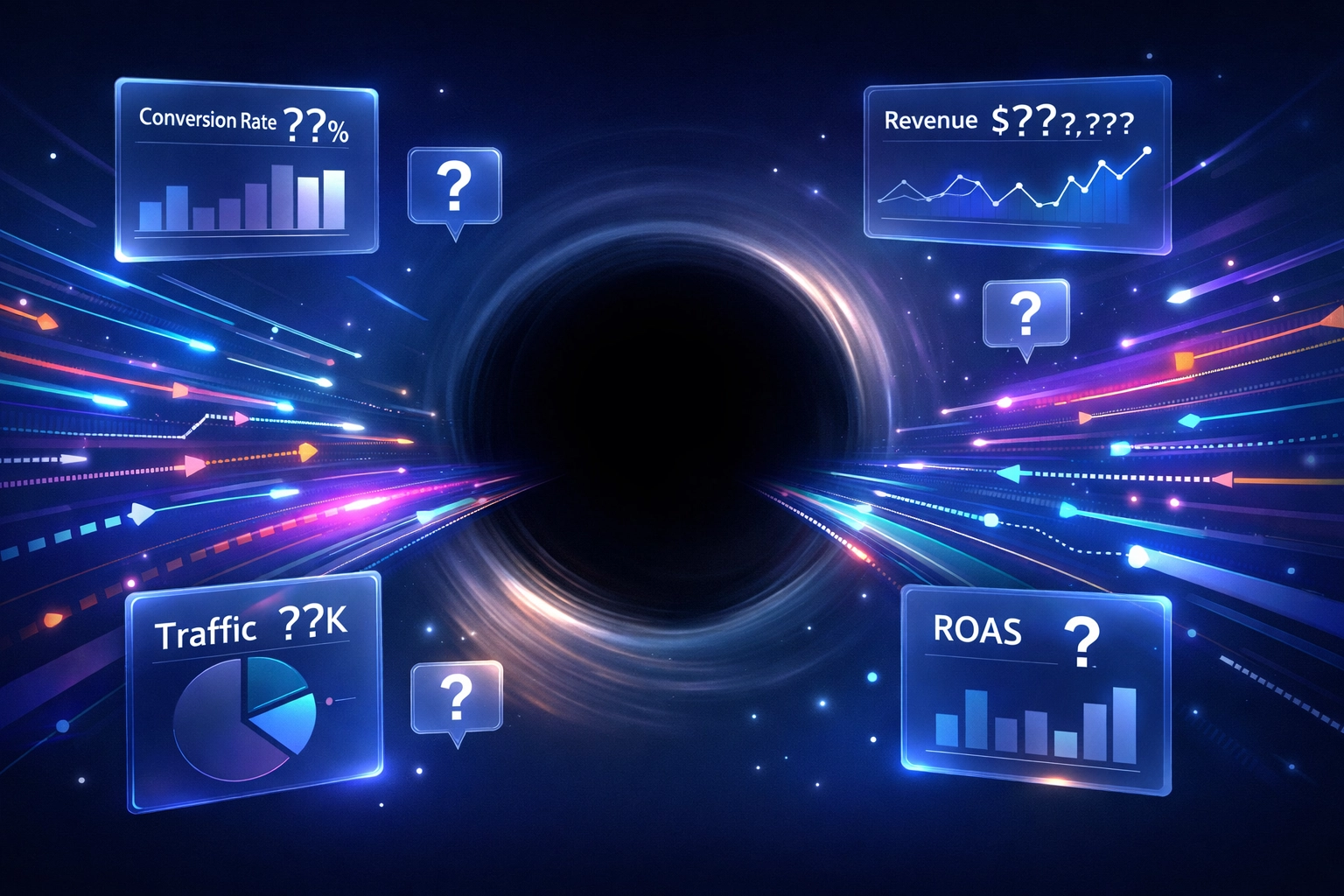
Here's a secret most agencies won't admit: Many campaigns that "fail" actually worked: brands just couldn't measure them.
Without proper tracking infrastructure, successful influencer campaigns look identical to disasters. You're flying blind, guessing at ROI, and making decisions based on incomplete data.
The attribution gaps include:
No unique discount codes or UTM parameters
Missing conversion pixels
Zero connection between influencer content and sales
Vague goals like "increase brand awareness" (which means nothing)
When you can't trace a sale back to a specific creator, you can't calculate influencer ROI. And when you can't prove ROI, every campaign looks like a waste of money: even the profitable ones.
The One-Time Transaction Mistake
Most brands treat influencer partnerships like one-night stands.
You reach out. Negotiate. The creator posts once. You pay. Done.
This transactional approach destroys authenticity. Audiences can tell when an influencer is doing a one-off paid promotion versus genuinely recommending something they use.
Long-term partnerships win because:
Repeated mentions feel like real recommendations
Audiences trust creators who consistently use a product
You're not competing with 47 other brands in their feed that week
The creator actually learns your product and creates better content
But building long-term relationships requires vetting creators upfront: not just for their stats, but for alignment with your brand values and audience overlap.
How Creator Insights Fixes the Broken System
This is where proper vetting infrastructure changes everything.
Creator Insights wasn't built to chase vanity metrics. It was built to solve influencer marketing failure at the source: by giving you real performance data instead of follower counts.
Here's what actually matters:
Audience Authenticity Analysis: Our tools analyze engagement patterns to flag fake followers and purchased engagement before you waste budget. You see the real engagement rate: not the inflated one on their media kit.
Performance-Based Vetting: Access historical data on how creators' content actually performs. Which posts drove traffic? What content formats got real engagement? What's their average view-to-conversion rate?
Audience Overlap Detection: See if a creator's audience actually matches your target demographic. Are their followers your potential customers, or just random accounts who followed during a giveaway?
Collaboration History Tracking: Check if a creator is already working with competitors or conflicting brands. The last thing you need is your product launch getting buried between posts for three rival companies.
Real Attribution Infrastructure: Our Handle Audit tools help you track actual conversions and ROI instead of relying on "impressions" and hoping for the best.
The difference between a successful campaign and a $50K failure isn't luck: it's data.
Building a Strategy That Actually Works
Fixing influencer marketing failure requires ditching the old playbook entirely.
Step 1: Define real KPIs before launch. "Brand awareness" isn't a goal. "500 new email signups from creator traffic" is a goal. "15% conversion rate on a unique discount code" is a goal. Set measurable targets tied to business outcomes.
Step 2: Vet creators like you're hiring employees. Check their audience demographics, engagement authenticity, content quality, and brand alignment. Use tools that show you performance data: not just follower counts.
Step 3: Give creators creative freedom. The minute you script their content, you've killed the authenticity that makes influencer marketing work. Hire creators whose natural style already fits your brand, then let them do their thing.
Step 4: Build long-term relationships. Stop chasing one-off posts. Partner with creators for quarterly or annual campaigns where they genuinely integrate your product into their content calendar.
Step 5: Track everything. Use unique URLs, discount codes, UTM parameters, and conversion pixels. Connect every sale back to its source so you know what's working and what's burning money.
The Bottom Line
The 67-73% failure rate in influencer marketing isn't because the strategy is broken.
It's because most brands are optimizing for the wrong metrics, partnering with the wrong creators, and measuring the wrong outcomes.
The fix? Stop guessing. Start vetting.
Real performance data beats fake follower counts every time. Audience authenticity matters more than reach. And long-term partnerships with properly-vetted creators generate actual ROI: not just pretty posts for your portfolio.
Ready to stop wasting budget on influencer marketing failure? Creator Insights gives you the vetting tools to find creators who actually drive results: not just impressions.
Because the only thing worse than a failed campaign is not knowing why it failed in the first place.